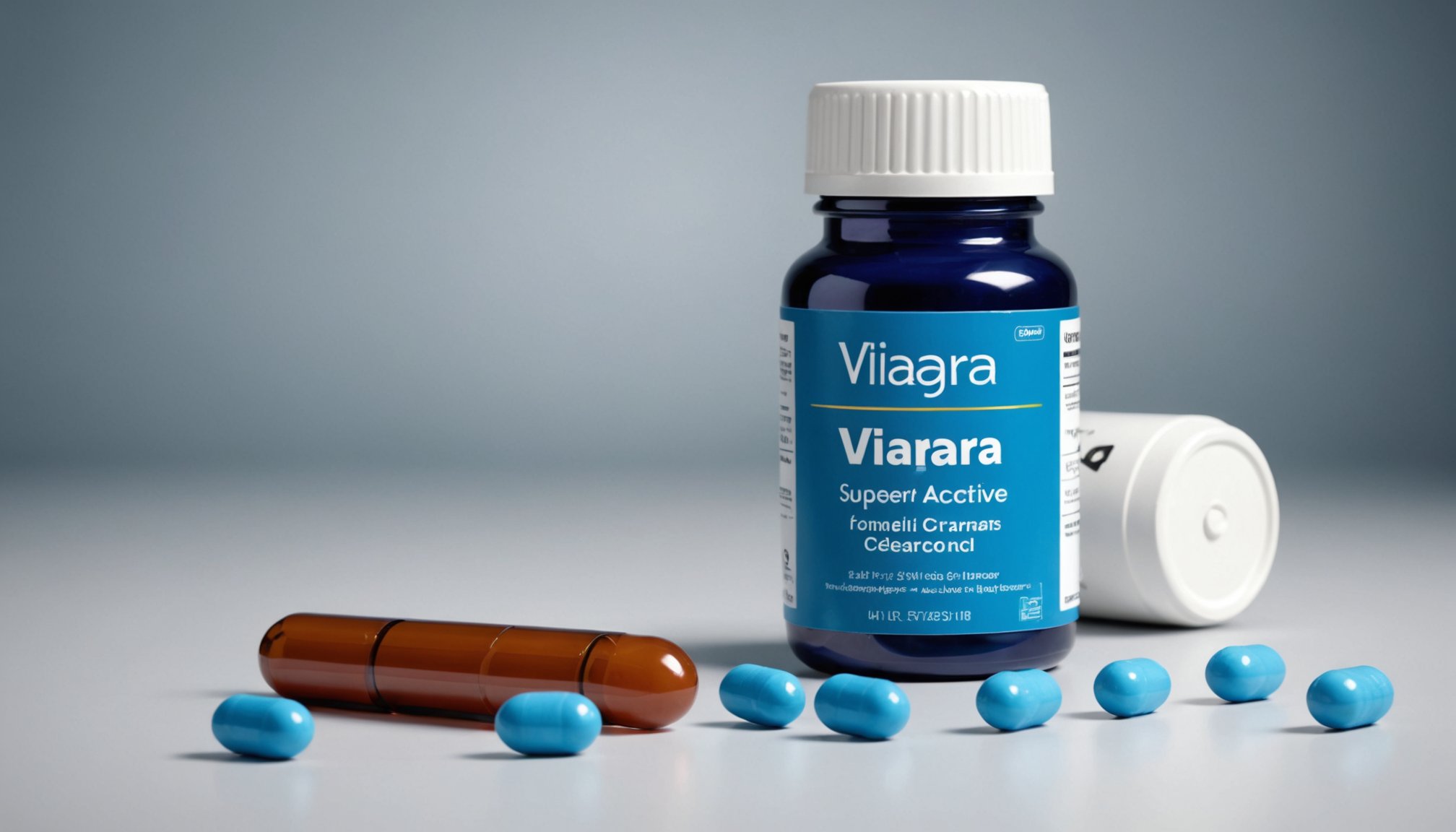
“Viagra Super Active”: what it is and what your next step should be
Viagra Super Active is a branded formulation commonly described as a fast‑acting sildenafil product, used under medical supervision to help manage erectile dysfunction (ED). If you’re here, you’re likely navigating a personal concern—difficulty achieving or maintaining an erection—and want to understand what this option is, whether it fits your situation, and what to do next. This guide walks you through that journey, from symptoms to informed decisions.
Disclaimer: This article is for educational purposes only and does not provide medical diagnosis or treatment. Erectile difficulties can have multiple causes. Any medication, including sildenafil products such as Viagra Super Active, should be used only as prescribed by a licensed healthcare professional who knows your medical history.
3 typical scenarios
Scenario 1: Erections are inconsistent or not firm enough
What this might mean: Occasional or ongoing difficulty with firmness can be related to blood‑flow changes, stress, sleep issues, hormonal shifts, or early cardiovascular risk factors. It does not automatically mean a permanent condition.
What a doctor usually does: A clinician will ask about onset, frequency, morning erections, medications, alcohol use, and stress levels. They may check blood pressure, order basic labs (lipids, glucose), and discuss options like lifestyle changes or PDE‑5 inhibitors (the class sildenafil belongs to). For background reading on ED basics, some patients explore general resources like understanding erectile health.
Scenario 2: ED alongside conditions like diabetes or hypertension
What this might mean: Chronic conditions can affect nerves and blood vessels, making erections harder to sustain. ED can be an early signal of vascular health issues.
What a doctor usually does: Expect a medication review (some drugs affect erections), cardiovascular risk assessment, and coordination with your primary care plan. Sildenafil‑based therapies may be considered if appropriate, alongside optimizing control of underlying conditions.
Scenario 3: Curiosity about “fast‑acting” or “super active” formulations
What this might mean: Marketing terms often suggest quicker onset or different delivery (e.g., soft capsules). Individual response varies, and “faster” is not guaranteed.
What a doctor usually does: They clarify expectations, discuss evidence for sildenafil in general, review safety (especially with nitrates or alpha‑blockers), and set realistic goals. Educational pages like treatment options overview can help frame that conversation.
Decision tree
- If erections are occasionally difficult but improving with rest or stress reduction, then consider lifestyle adjustments and monitoring before medication.
- If difficulties persist for several months, then schedule a medical evaluation to identify contributing factors.
- If you have heart disease, diabetes, or take nitrates, then discuss safety carefully before considering sildenafil products.
- If you’re seeking faster onset products, then ask your doctor about evidence, expectations, and alternatives.
- If side effects occur with any ED medication, then stop use and contact your clinician for reassessment.
When to seek help urgently (red flags)
- Chest pain, dizziness, or fainting after sexual activity or medication use—could indicate cardiovascular strain.
- Sudden vision or hearing loss—rare but serious adverse events require immediate care.
- Erection lasting more than 4 hours (priapism)—needs urgent treatment to prevent injury.
- Severe allergic reactions (swelling, rash, breathing difficulty).
Approaches to treatment/management (overview)
Management of ED is individualized. Doctors typically start with reversible factors and progress stepwise:
- Lifestyle measures: exercise, sleep optimization, weight management, smoking cessation.
- Psychological support: addressing performance anxiety, depression, or relationship factors.
- Medications: PDE‑5 inhibitors such as sildenafil (including branded versions like Viagra Super Active), used only as prescribed by a doctor.
- Devices or procedures: vacuum erection devices, injections, or implants in selected cases.
For a neutral summary of ED therapies, see ED management pathways.
Prevention
While not all causes are preventable, many risk factors are modifiable:
- Maintain cardiovascular health (diet, exercise).
- Manage blood sugar and blood pressure.
- Limit alcohol and avoid illicit drugs.
- Address stress and mental health early.
| Method | Who it suits | Limitations / risks |
|---|---|---|
| Lifestyle changes | Mild or early ED | Requires consistency; gradual results |
| Sildenafil‑based meds | Many men with vascular ED | Not for nitrate users; possible side effects |
| Psychosexual therapy | Anxiety‑related ED | Time commitment |
| Devices/procedures | Refractory cases | Invasiveness, cost |
Questions to ask your doctor
- What could be contributing to my erectile difficulties?
- Is sildenafil appropriate given my medical history?
- How do “super active” formulations differ from standard options?
- What side effects should I watch for?
- How might my current medications interact?
- Are there non‑drug options I should try first?
- What lifestyle changes would help most?
- How will we measure success or adjust treatment?
- When should I follow up?
Sources
- U.S. Food & Drug Administration (FDA): Erectile Dysfunction treatments
- European Association of Urology (EAU) Guidelines on Sexual and Reproductive Health
- Mayo Clinic: Erectile dysfunction overview
- National Institute of Diabetes and Digestive and Kidney Diseases (NIDDK)