As if feeling awful weren’t bad enough, frequent hangovers also are linked with poor performance and conflict at home, school and work. Blackouts are gaps in a person’s memory for events that occurred while they were intoxicated. These gaps happen when a person drinks enough alcohol to temporarily block the transfer of memories from short- to long-term storage—known as memory consolidation—in a brain area called the hippocampus.
- Someone who misuses alcohol, especially over the long term, can experience permanent liver, heart, or brain damage.
- AddictionResource fact-checks all the information before publishing and uses only credible and trusted sources when citing any medical data.
- Other ways to get help include talking with a mental health professional or seeking help from a support group such as Alcoholics Anonymous or a similar type of self-help group.
- Medications approved to treat alcohol dependence may also be prescribed as part of the treatment plan.
What if You Are Accused of Drinking Alcohol at Work?
The trillions of microbes in your colon and large and small intestines are critical to proper digestion. That’s because your body already has processes in place that allow it to store excess proteins, carbohydrates and fats. So, your system prioritizes getting rid of alcohol before it can turn its attention to its other work. If alcohol continues to accumulate in your system, it can destroy cells and, eventually, damage your organs. The excess amount of alcohol in your system can also upset your digestion, leading to symptoms of Sobriety nausea, vomiting, diarrhoea and indigestion.
Many are exploring ways to cut back, including the Dry January Challenge or alcohol-free drinks. From health and safety and cybersecurity to flexible working, the best policies protect both organisation and employee. It’s positive that deepening efforts across these agendas is seen more as necessity than ‘nice to have’ for many organisations today. Yet, approaches to alcohol and problem drinking in the workplace still vary. However unpleasant, most hangovers go away on their own, though they can last up to 24 hours.
Surprising Things That Happen to Your Body When You Stop Drinking Alcohol
Over time, drinking can also damage your frontal lobe, the part of the brain responsible for executive functions, like abstract reasoning, decision making, social behavior, and performance. Past guidance around alcohol use generally suggests a daily drink beer after work poses little risk of negative health effects — and might even offer a few health benefits. After completing a treatment program, employees should stay connected to the recovery community through an aftercare plan. This may involve continuing to attend support group meetings or routine counseling appointments.

Courts may use a “benefits test” to determine if the activity was for the employer’s benefit, such as improving morale, making liability more likely. The connection between the employee’s https://icjustice.org/9-sober-musicians-on-how-they-thrive-creatively/ actions and their employment is a determining factor. If a manager encourages drinking and an incident follows, the link to employment is stronger, increasing the employer’s potential liability. When you stop drinking, you might notice a range of physical, emotional, or mental health symptoms that ease as soon as you have a drink.
Featured Programs
It is a pattern that may start with after-work drinks but can escalate to more frequent and higher quantities of alcohol consumption. The phenomenon of after-work drinking is intricately linked with workplace culture and social bonding. However, such gatherings can also lead to less desirable outcomes, including unfiltered speech, unplanned commitments, and unprofessional conduct (TLNT). In Western societies, the institutionalization of regular alcohol consumption has been observed in various stages of life. In the workplace, drinking has often been seen as a means of fostering camaraderie, boosting morale and relieving stress. However, contemporary attitudes are shifting, with increased awareness of health, safety and appropriate behavior leading to a decline in work-related drinking culture.
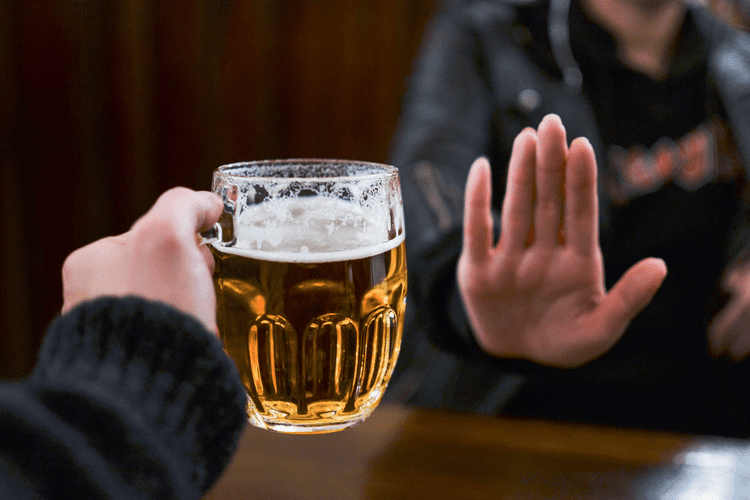
You can lower your health risks from alcohol by drinking less or not drinking at all. Negative impacts begin with any alcohol use and increase when having more than 2 drinks, as each drink increases the risk of illness, injury to self and others. Beyond the basic responsibility on employers to look after their staff, there are real performance and bottom-line benefits on offer when addressing alcohol’s relationship with workplaces. Beyond culture, employers are in a unique position to raise awareness about alcohol. Employers need to facilitate a healthy, empathic environment whereby employees who need help with their physical and/or mental wellbeing feel able to reach out and ask for advice. They need to know that support is available, what this looks like and how to access it without judgment, discrimination or repercussions.
- Inpatient treatment is best for moderate to severe alcohol addiction or people who have relapsed.
- Some worksites and careers have a culture or subculture of alcohol use, where alcohol consumption at work is a norm and accountability for responsible drinking is low.
- The EAP counselor and the employee benefits representative will have information on health benefits coverage.
- By the time an alcoholic is in the late stage, he or she is often irrational, deluded, and unable to understand what has happened.
- If the employee is willing, he or she may be sent to the health unit for observation or a possible assessment.
Elevated blood pressure is a risk factor for heart attack and stroke because it may damage arteries over time, restricting the flow of blood to your heart and brain. While it may boost morale and foster team spirit, the risks—both legal and safety-related—are significant. Before you consider whether a responsible use policy is right for your business, weigh the benefits and risks.
These workplaces range from bartenders to executives discussing business over drinks. Research shows that people who work 55 or more hours a week are more likely to drink in risky ways. Work-related stress and risk of danger or physical harm on the job are other common triggers. These consequences can be costly for employers, especially if they occur because an employee is drinking at work. Workplace alcohol use can result in higher turnover rates and customer dissatisfaction, as well as higher healthcare payments.
Alcohol Use
However, Gatorade contains a lot of sugar, which may increase people’s risk of certain health conditions, including weight gain and type 2 diabetes. Children’s increase in sugary drink consumption, including energy drinks, may be contributing to weight gain in adulthood. There is also a link with chronic conditions, including type 2 diabetes and heart disease. Employees who drink while working should avoid drinking during peak hours, such as Friday nights or special events. In addition to state laws and regulations, individual establishments may also have their own policies regarding drinking on the job. Some bars and restaurants may have a zero-tolerance policy when it comes to drinking while working, while others may allow employees to have a drink or two during their shift.
The Risks of Drinking Outside of Work Hours
The drinking that was done for the purpose of getting high is now being replaced by drinking to combat the pain and misery caused by prior drinking. If the employee is willing, he or she may be sent to the health unit for observation or a possible assessment. Health unit personnel may be able to offer a medical judgment that, in their opinion, the employee is intoxicated. They may also be able to conduct a voluntary alcohol test, most likely an EBT.
Alcohol is a factor in about 25% of suicides, about 40% of fatal burn injuries, about 50% of fatal drownings and of homicides, and about 65% of fatal falls. The rate of alcohol-related emergency department visits increased by nearly 50% from 2006 to 2014, and about one-third of injuries treated at trauma centers are alcohol related. In addition, a significant number of sexual assaults involve alcohol use. By Geralyn Dexter, PhD, LMHCDexter has a doctorate in psychology and is a licensed mental health counselor with a focus on suicidal ideation, self-harm, and mood disorders. Your liver produces enzymes that break down alcohol, but your liver can only handle so much alcohol at one time (approximately 1 ounce per hour). Contact us to find out more about our evidence-based tools, training, and awareness-raising activities today.